

Est. in Heber Springs, Arkansas
Our Story
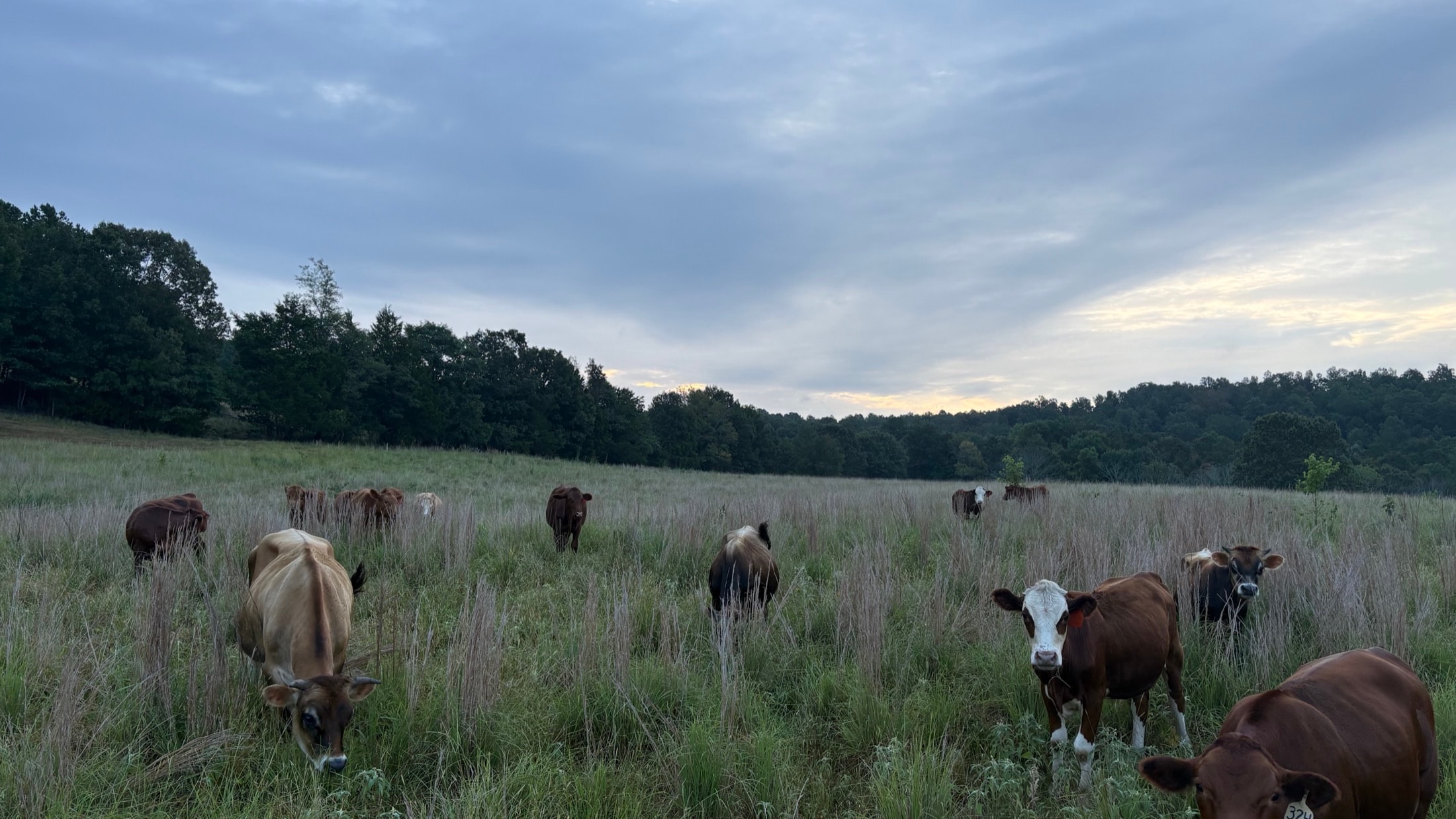
Ozark Grassfed is Justin, Ryley and Colin McCuiston, a father and his two sons raising cattle on grass outside Heber Springs, Arkansas.
Justin, Ryley and Colin run the cattle themselves. The same people who check the herd in the morning are the ones who answer the phone when you call about an order. There is no marketing department between you and the animal, which is either reassuring or slow depending on what time you call.
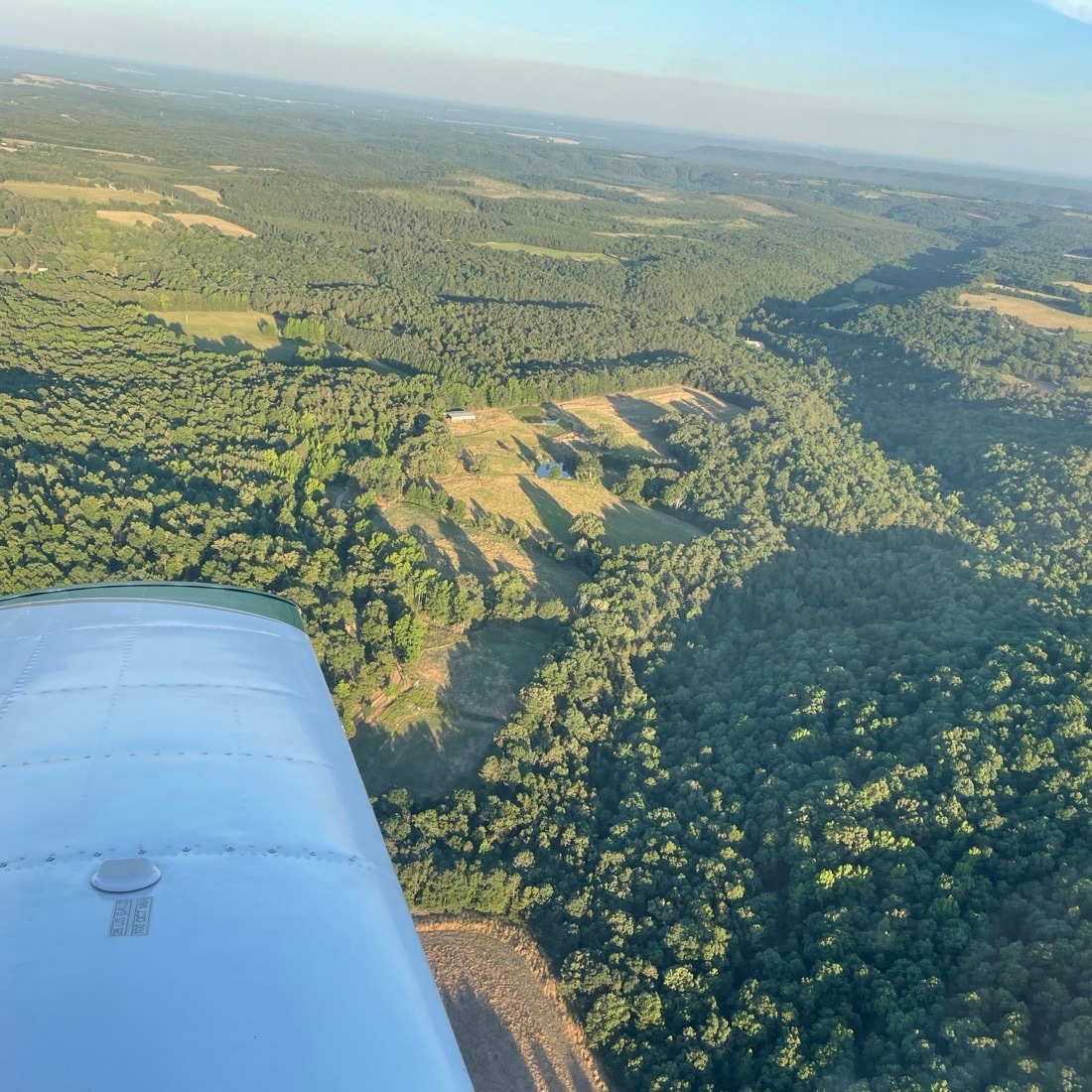
The ranch is in Cleburne County, in the foothills of the Ozarks, about an hour north of Little Rock. It is not a large operation and it is not trying to become one.
I am building this network so good ranchers have somewhere to sell besides the sale barn.
That is not a marketing position. It is the reason this exists.
Why we sell direct
For most of the history of this ranch, cattle left here and became somebody else's product. They went into a system that mixed them with thousands of other animals, and whatever they became carried no trace of this place. The family that did the work disappeared somewhere in the middle of that chain.
That system works. It is why beef is affordable and available everywhere. But it means nobody eating the beef can find out where it came from, and it means the price a rancher gets has very little to do with how well the animal was raised.
Selling direct undoes both of those. When the beef comes back from the processor it still has our name on it, and the person eating it can find out exactly where it grew.
How the cattle are raised
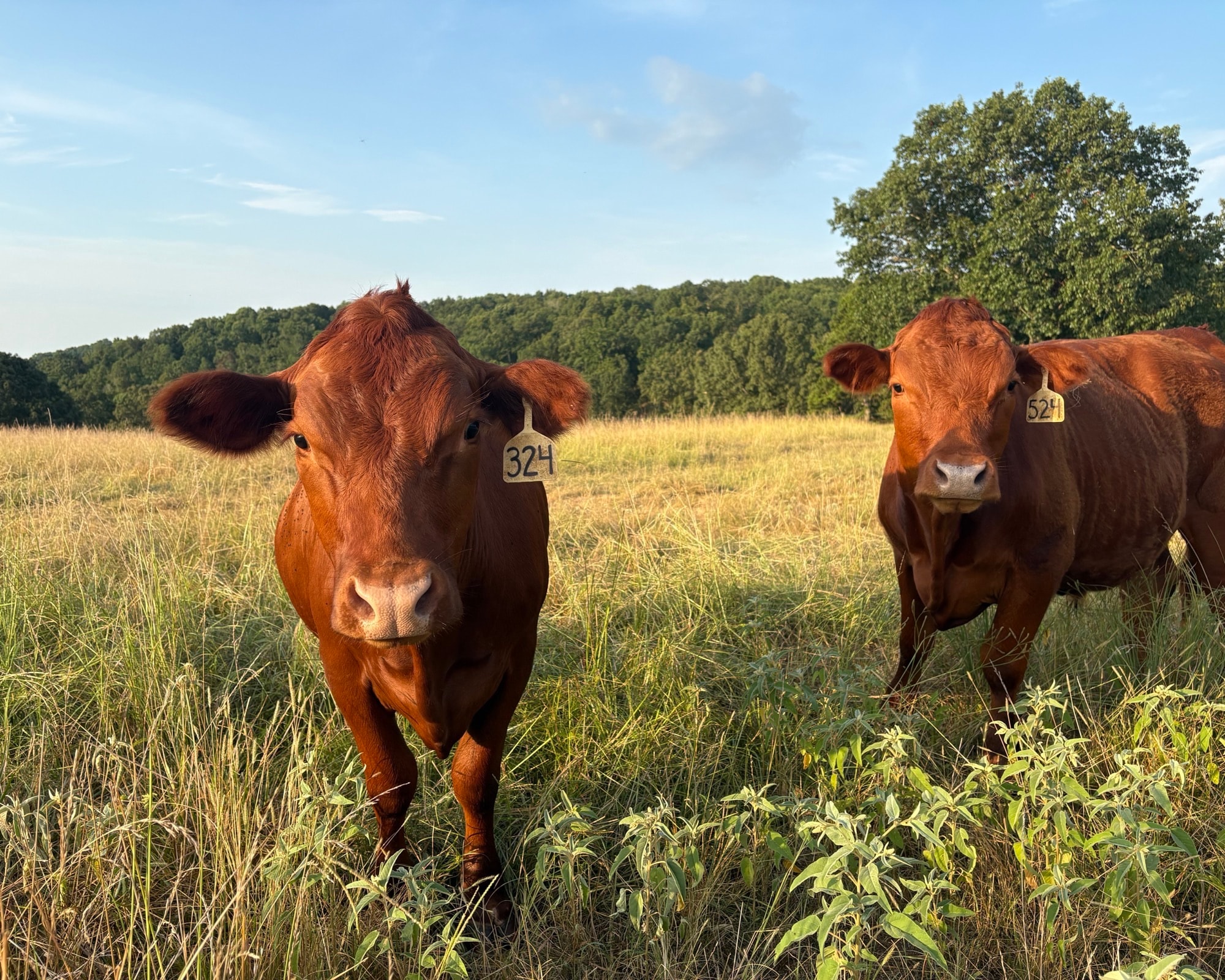
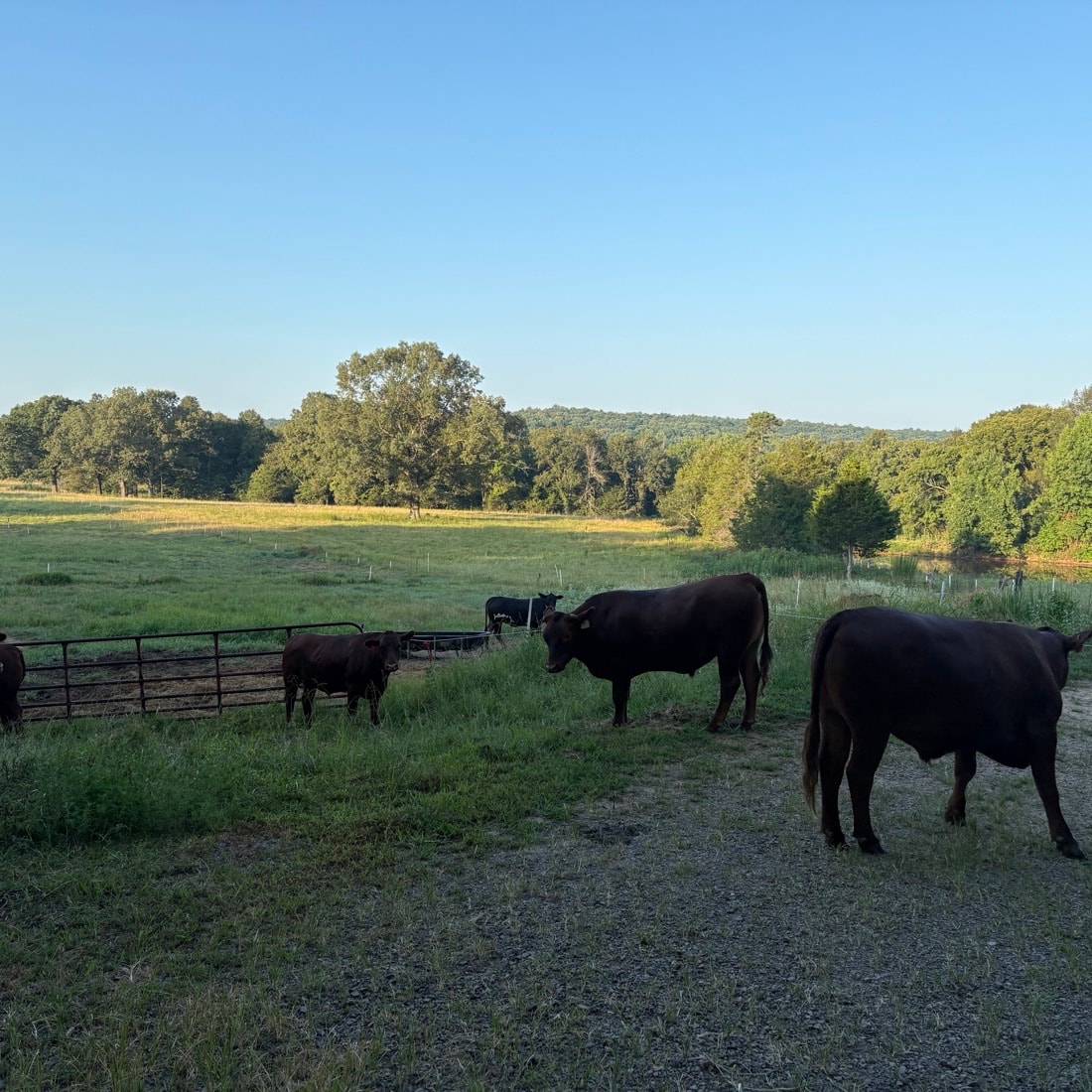
We run South Poll, a breed developed in the American South specifically to finish well on grass in heat and humidity. That choice matters more than it sounds. A breed built for a feedlot will struggle to finish on pasture and the beef shows it, which is where a lot of grass finished beef's mixed reputation comes from.
Most of the time Flying M gets the steers as yearlings and finishes them to 29 months on our ranch. As we grow we will need help finishing, so that we are not pushing our own ground harder than it can carry. Overgraze the pasture and you lower the soil health and the nutrient density of the meat, which is the whole point of doing it this way.
The beef is processed in Arkansas and the snack sticks are smoked in Letona, about twenty minutes from the gate, close enough that we can be there while it happens.
The network of farmers
We are lucky to be in an area with several like minded ranchers who are focused on soil health in their pastures. They are looking for markets other than the sale barn. That is the reason I am building this network.
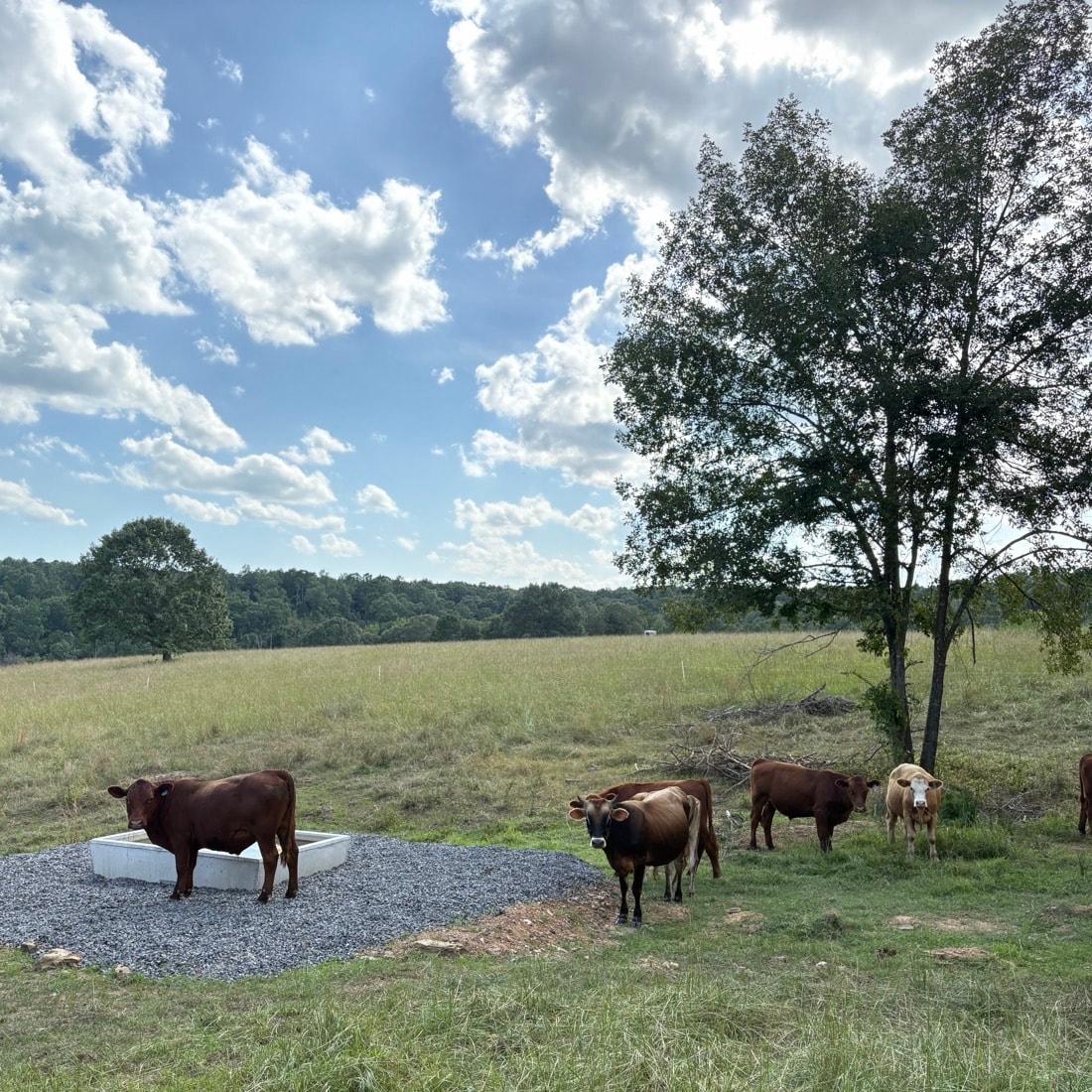
Every animal sold here is raised to the same standard: rotational grazing, no grain, no antibiotics or hormones, Redmond ancient sea salt minerals, and grass fed genetics that are mostly South Poll influenced. Raised to a minimum of 29 months.
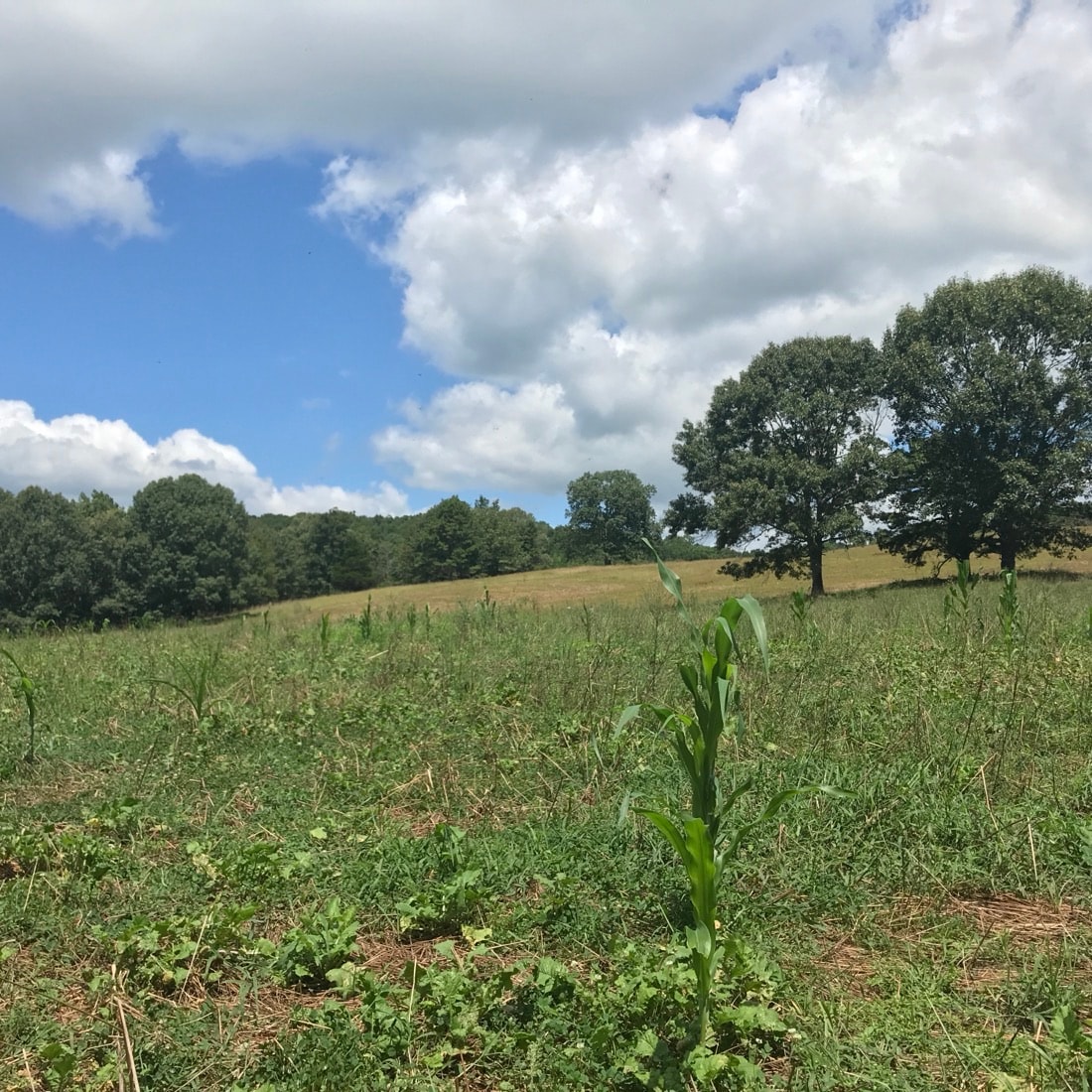
The standard covers the ground as much as the animal. No chemicals, no commercial fertilizers, and winter and summer cover crops planted to keep building soil.
I am also a regenerative consultant, which is how I keep an eye on the farms I am networking with. It means I can help make improvements where they are needed rather than just take somebody's word for it.
What we will and will not tell you
We will tell you which pasture an animal grazed, what it ate, when it went to the processor and what your take home weight is before you pay anything.
We will not tell you that beef is medicine, quote you a carbon number we cannot stand behind, or print a protein figure before the lab has actually measured it. There is a lot of confident nonsense in this industry and we would rather be the operation that says I do not know.
What we are still working on
This is a young direct operation and there are things we have not finished. Our smoked beef sticks are listed in the shop in three 4 oz packages. See the product page for current price and availability. The nutrition panel is out for testing and until it comes back there are numbers we will not print. We finish a small number of animals at a time, which means things sell out and then wait for the next one.
None of that is a problem we are hiding. It is what a real ranch selling its own beef actually looks like in its first year, and we would rather you knew the shape of it before you order.
Come look
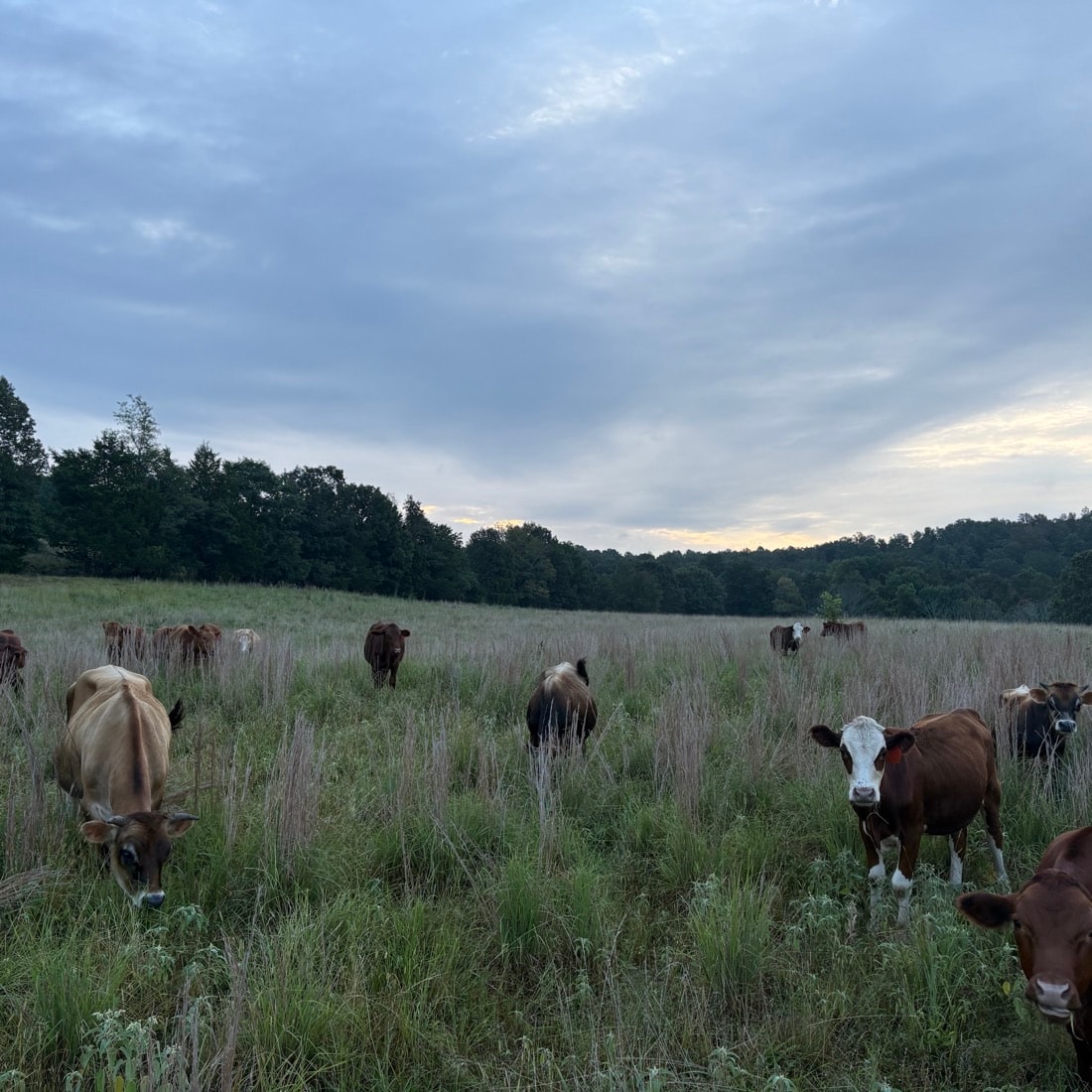
The strongest thing we can say about this beef is that you are welcome to come and see it standing in the field. Very few brands can make that offer, and the ones that can should.
Pickup is Sundays from 10am to 3pm, and a visit takes a phone call first because it is a working ranch rather than a shop.
Justin, Ryley and Colin McCuiston
Heber Springs, Arkansas
Grass Finished
No grain, ever. Finished on pasture to a minimum of 29 months.
South Poll
Grass fed genetics, bred to finish well on grass in heat and humidity.
Soil First
Rotational grazing, no chemicals, no commercial fertilizer, cover crops.
Come Look
The gate is open. Pickup Sundays, 10am to 3pm, by arrangement.